


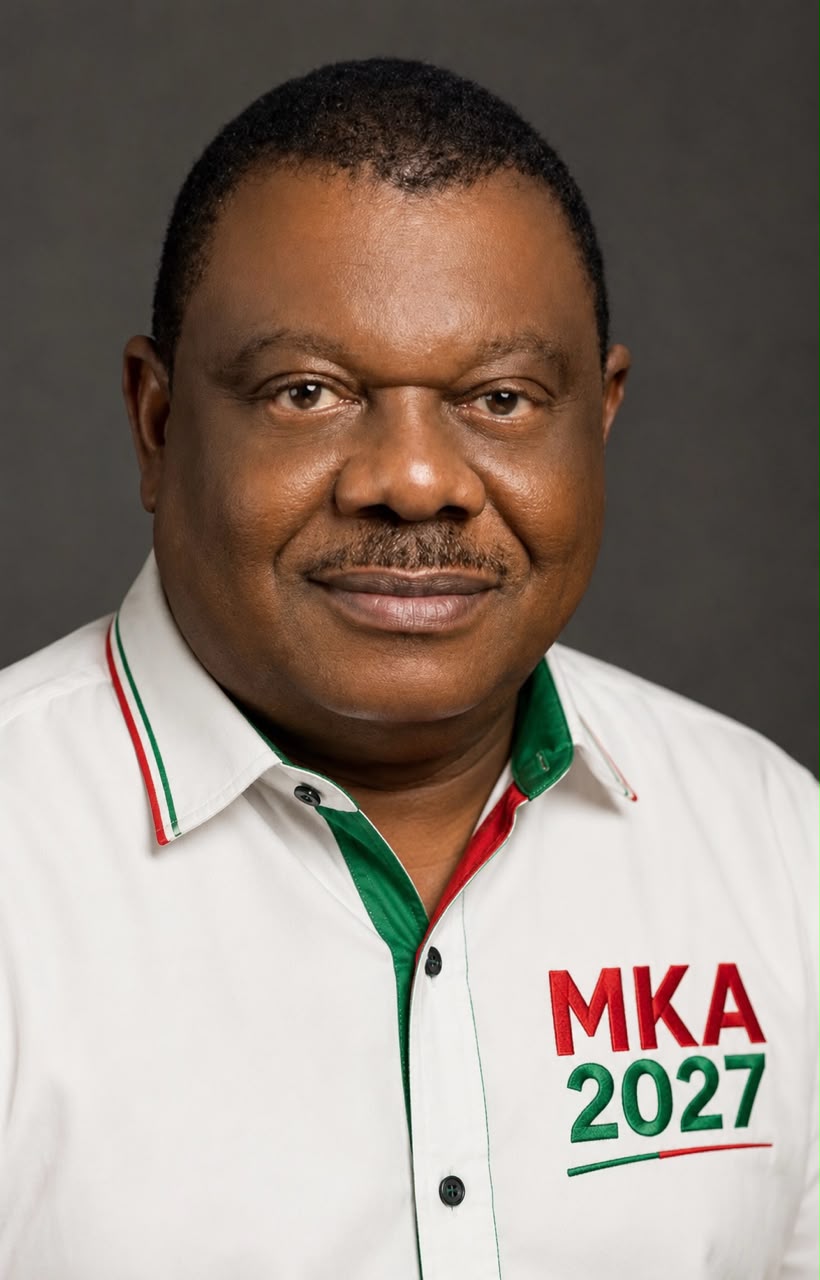
Years of Allegations Against Aondoakaa
For years, political opponents of the Peoples Democratic Party (PDP) governorship candidate in Benue State, Chief Michael Kaase Aondoakaa, SAN, have sought to soil his name over the compensation paid by the Federal Government to victims of the 2001 Zaki Biam military invasion. The insinuation has been repeated so often that some people came to accept it without ever demanding proof.
Now, a comprehensive review of the recent Final Direction of the Legal Practitioners Disciplinary Committee (LPDC) has once again exposed the weakness of that narrative.
What the LPDC Proceedings Reveal
The LPDC proceedings extensively recount the disputes surrounding the ₦8 billion consent judgment arising from the Zaki Biam compensation case. The decision identifies several individuals who were alleged to have been allocated substantial sums under disputed Deeds of Disbursement.
Among those specifically mentioned are J.K. Gadzama, SAN, Chris Alashi, Esq., Chief E.K. Ashiekaa, SAN who represented the Tor Tiv, HRM, Professor James Ortese Ayatse; Vincent T. Torsugh, Esq., and Pastor (Mrs.) Betty Nguheman Iordaah, Esq.
Aondoakaa’s Name Is Missing
Conspicuously absent from that list is Chief Michael Kaase Aondoakaa, SAN.
Equally significant is the fact that the LPDC decision mentions numerous personalities connected with the settlement process, including the then Attorney-General of the Federation, Mohammed Bello Adoke, SAN, the Tor Tiv, the Tor Tiv’s representative Chief E.K. Ashiekaa, SAN, among others.
Yet, nowhere in the Committee’s narration of the disputed allocations is Chief Aondoakaa identified as having received any share of the compensation fund or even remotely related to efforts to stop the Zaki Biam victims from getting their money.
Why the Development Matters
This is particularly noteworthy because Chief Aondoakaa has, for years, been subjected to sustained political attacks over the Zaki Biam matter. His critics have repeatedly attempted to create the impression that he personally benefited from funds meant for victims of one of the darkest episodes in Benue State’s history.
However, when the details contained in the LPDC proceedings are examined, his name simply does not appear among those alleged to have been allocated money under the Deeds of Disbursement.
The implication is clear. Those who for years weaponized the Zaki Biam compensation issue against Chief Aondoakaa carried the burden of substantiating their accusations. If the available records of the disciplinary proceedings detailing the disputed allocations does not place him among the alleged beneficiaries, then the long-running public narrative against him loses a significant pillar.
A Broader Pattern?
This is not the first time allegations against Chief Aondoakaa have failed to withstand scrutiny. During his years as Attorney-General of the Federation, he was linked with a succession of sensational accusations, many of which generated headlines but ultimately produced no judicial finding of personal wrongdoing against him.
Interestingly, no investigative agency has ever invited Chief Aondoakaa to answer questions bordering on corruption. He has also never been arraigned before any court on corruption charges.
The unfolding facts surrounding the Zaki Biam compensation dispute fit into that broader pattern. Political rhetoric may be loud, but documentary records often tell a more measured story.
Justice for Victims Remains the Priority
For the victims of the Zaki Biam massacre, the most pressing issue has never been political point-scoring. Their overriding concern has always been justice, transparency and the prompt delivery of compensation intended to ease the suffering they endured. That objective should remain paramount.
Conclusion
As for Chief Michael Kaase Aondoakaa, SAN, the documentary record now available provides fresh material for those assessing years of allegations made against him. Whatever political conclusions individuals may draw, the LPDC decision does not identify him as one of the persons alleged to have received an allocation from the disputed compensation disbursement.